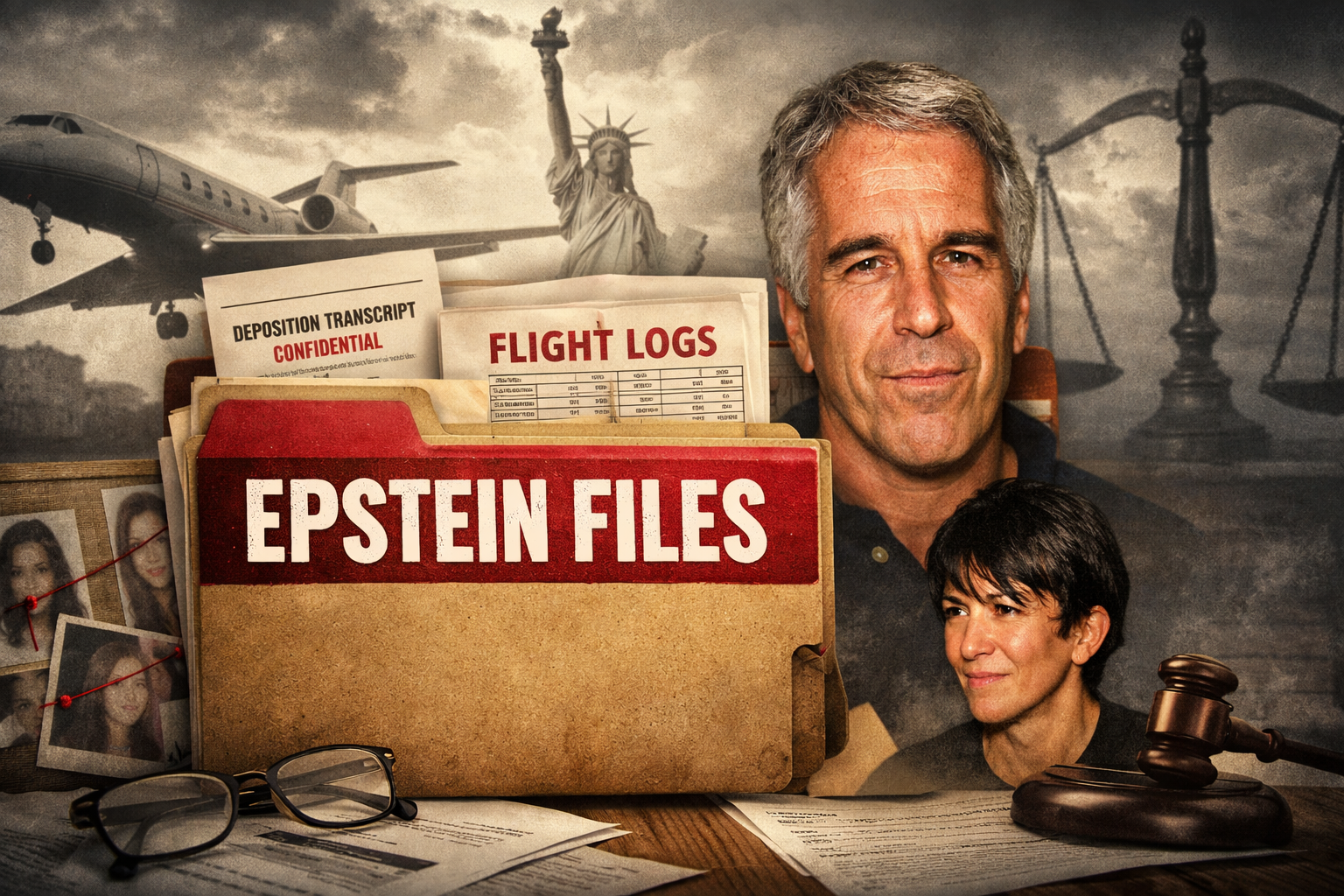
Epstein Files Explained: What They Are, What They Reveal, and Why the World Is Paying Attention
Introduction: Why the Epstein Files Still Matter
Few modern scandals have generated as much global attention and controversy as the case surrounding Jeffrey Epstein. Years after his arrest and death, newly released documents, court filings, and media investigations—often called the “Epstein files”—continue to fuel public debate.
People want answers. Who was involved? What evidence exists? Why are documents being unsealed years later? And how reliable is the information circulating online?
This article explains the Epstein files in clear, simple language. It focuses on verified facts, legal processes, and why transparency has become such a central demand in this case.
What Are the Epstein Files?
The term “Epstein files” is not an official legal label. It is a popular phrase used to describe a large collection of:
- Court documents
- Depositions and sworn testimony
- Civil lawsuit filings
- Sealed records later released by judges
- Investigative journalism records
- Flight logs and financial documents
Most of these materials stem from lawsuits brought by victims, particularly civil cases against Epstein’s associates, including longtime companion Ghislaine Maxwell.
Some records were originally sealed to protect privacy, preserve trial fairness, or prevent defamation. Over time, judges ordered portions to be released after public interest arguments and media petitions.
Who Was Jeffrey Epstein?
Jeffrey Epstein was a wealthy financier with powerful social connections in politics, business, academia, and entertainment. He was first investigated in the mid-2000s for sexual abuse of minors in Florida.
In 2008, he reached a controversial plea deal that allowed him to avoid federal prosecution at that time. More than a decade later, new reporting and renewed scrutiny led to his arrest in 2019 on federal sex-trafficking charges.
Epstein died in jail while awaiting trial. His death was ruled a suicide by authorities, though it continues to inspire public suspicion and speculation.
How the Epstein Files Became Public
Court Orders and Legal Challenges
Many of the documents that later became known as Epstein files were part of civil litigation. Judges initially kept them sealed to protect victims or third parties who were not charged with crimes.
Media organizations and legal groups later requested access, arguing that the public had a right to see records tied to serious allegations involving prominent figures. Courts weighed:
- Privacy rights of victims
- Risk of unfair reputational harm
- Public interest in transparency
In several cases, judges ordered partial releases, with names or details redacted where necessary.
Journalistic Investigations
Major news organizations played a key role in uncovering evidence, interviewing victims, and reviewing financial trails. These investigations often prompted renewed legal action or pressure for disclosure.
What Do the Epstein Files Contain?
The released materials vary widely in importance and credibility. Some contain firsthand testimony, while others include secondhand accounts or disputed claims.
Witness Statements and Depositions
These are sworn accounts given under oath in civil cases. They may describe:
- How victims were recruited
- Travel arrangements and properties used
- Encounters with Epstein or associates
- Allegations involving other individuals
It is crucial to understand that appearing in testimony does not automatically mean someone committed a crime. Courts distinguish between allegations, evidence, and proven wrongdoing.
Travel Logs and Contacts
Flight records from Epstein’s private jets—often discussed in public—list passengers and destinations. These logs have drawn attention because they show connections between Epstein and well-known figures.
However, legal experts stress that being listed on a flight log does not by itself prove involvement in illegal activity.
Financial and Property Records
Some files track payments, shell companies, and real estate holdings. These documents have helped investigators map Epstein’s wealth and possible methods of funding his network.
Why the Epstein Files Spark So Much Controversy
High-Profile Names
Public fascination largely stems from the presence of influential people in the documents. When powerful figures appear in testimony or contact lists, even without charges, speculation spreads rapidly.
This has created tension between the public’s demand for accountability and the legal principle that people are innocent until proven guilty.
Secrecy and Delays
The fact that some records stayed sealed for years fueled suspicion. Critics argue that secrecy protected elites. Courts and prosecutors respond that legal rules, victim protection, and due process require caution.
Social Media Amplification
Online platforms have accelerated the spread of rumors, partial screenshots, and misleading summaries. In many cases, documents are shared without context, leading to false conclusions.
What Has Been Proven in Court?
While many names appear in Epstein-related records, only a limited number of people have faced criminal charges connected to the trafficking operation.
The most significant conviction was Ghislaine Maxwell, who was found guilty in federal court of helping recruit and abuse minors for Epstein. Her trial relied on victim testimony and documentary evidence rather than the broader set of files circulating online.
No court has ruled that every person named in civil filings or logs committed crimes. This distinction is essential for understanding the legal reality versus public speculation.
How Victims Fit Into the Story
At the center of the Epstein files are survivors who spent years seeking justice. Many described being approached as teenagers, promised money or opportunities, and then exploited.
Civil lawsuits allowed them to:
- Tell their stories under oath
- Seek financial compensation
- Force disclosure of records
- Push for accountability
Several settlements and court victories came only after decades of silence, highlighting how difficult it can be for victims of powerful offenders to be heard.
Common Myths About the Epstein Files
Public discussion has produced many misunderstandings. Some of the most common include:
- Every name in the files is guilty. In reality, documents include allegations, hearsay, and disputed claims.
- All records are public now. Some remain sealed or heavily redacted.
- The files prove a single organized conspiracy involving everyone listed. Courts require specific evidence against each individual, not broad assumptions.
Understanding these limits helps separate verified facts from online speculation.
Why Transparency Still Matters
Legal scholars argue that releasing court documents—when done responsibly—serves several purposes:
- It builds trust in the justice system
- It allows journalists to investigate responsibly
- It gives victims public acknowledgment
- It deters abuse by exposing patterns
At the same time, judges must balance openness with privacy and fairness, especially when allegations involve people who were never charged.
How to Evaluate New Epstein-Related Claims
When headlines announce “new Epstein files,” readers should approach them carefully. Ask:
- Are the documents from a court or reputable outlet?
- Are claims clearly labeled as allegations or proven facts?
- Is there supporting evidence or only anonymous sources?
- Have legal experts commented on the release?
Critical reading helps prevent misinformation from spreading.
FAQs About the Epstein Files
What are the Epstein files in simple terms?
They are collections of court documents, testimonies, and records linked to lawsuits and investigations involving Jeffrey Epstein and his associates.
Are all the Epstein files public?
No. Some documents have been released by court order, while others remain sealed or partially redacted to protect privacy or legal rights.
Do the files prove famous people committed crimes?
Not automatically. Many people are mentioned in testimony or logs without being charged. Courts require strong evidence before determining guilt.
Why were some records sealed for years?
Judges often seal documents to protect victims, ensure fair trials, or avoid harming individuals who have not been accused formally.
Will more Epstein documents be released in the future?
It is possible. Courts sometimes unseal records after appeals, settlements, or renewed public interest.
Conclusion: Seeking Truth in a Highly Charged Case
The Epstein files sit at the intersection of justice, secrecy, and public accountability. They include painful survivor stories, legal battles over transparency, and records that continue to be examined by journalists and courts.
What they do not provide is a simple narrative or universal proof against everyone mentioned. Understanding the difference between allegations, evidence, and convictions is essential for any responsible discussion.
If you want to stay informed, rely on court rulings, verified reporting, and primary documents rather than viral posts or rumors. Share accurate information, question sensational claims, and support efforts that protect victims while preserving fairness in the legal system.