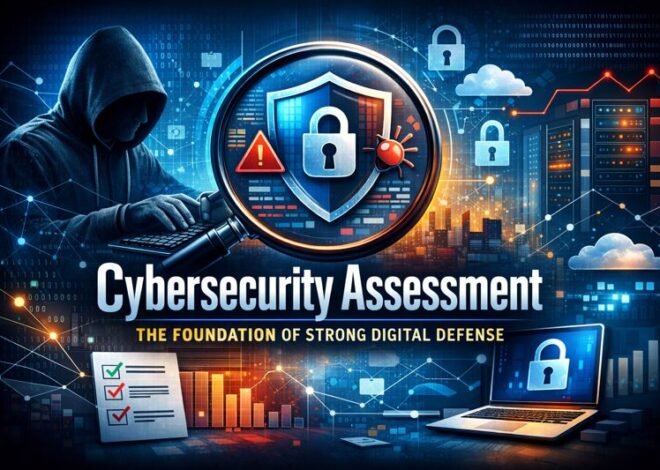
Cybersecurity News October 2025: Major Threats, Key Trends, and What Comes Next
Introduction
October 2025 was another wake-up call for the digital world. From large-scale ransomware campaigns to new data protection rules and growing concerns around artificial intelligence misuse, cybersecurity remained at the center of global attention. Governments, businesses, and everyday users all felt the impact.
This roundup of cybersecurity news October 2025 breaks down the most important developments, explains why they matter, and offers practical insights you can apply right away. Whether you run a business, work in IT, or simply care about online safety, this month delivered lessons worth noting.
The Cyber Threat Landscape in October 2025
Cyber threats continued to evolve in both scale and sophistication. Attackers showed more patience, better planning, and stronger automation than ever before.
Ransomware Attacks Target Critical Services
Ransomware remained the most disruptive threat in October 2025. Several attacks focused on sectors where downtime is costly and dangerous, including healthcare, logistics, and local government.
In many cases, attackers avoided mass encryption. Instead, they quietly stole sensitive data first, then threatened public leaks. This shift made traditional backups less effective as a sole defense.
Key patterns seen this month included:
- Ransom demands calculated based on company revenue
- Use of double and triple extortion tactics
- Shorter attack timelines, often under 48 hours
These incidents highlighted how attackers now study their targets carefully before striking.
Supply Chain Attacks Increased Again
Supply chain vulnerabilities made headlines once more. Rather than attacking large companies directly, cybercriminals compromised smaller vendors with weaker security controls.
One compromised software update was enough to expose thousands of downstream customers. This reinforced a hard truth: your security is only as strong as the partners you trust.
Organizations began reviewing third-party access more closely, especially cloud service providers and software vendors.
AI and Cybersecurity: A Double-Edged Sword
Artificial intelligence played a bigger role in cybersecurity news October 2025 than in any previous month.
AI-Driven Phishing Became Harder to Detect
Phishing emails are no longer full of spelling mistakes and awkward grammar. Attackers now use AI to create personalized messages that match a victim’s writing style, job role, and recent activity.
Examples seen in October included:
- Fake HR emails referencing real internal projects
- Voice phishing using AI-generated audio
- Social media scams using deepfake profile images
These attacks often bypassed traditional email filters, increasing the success rate.
Defenders Also Used AI More Effectively
On the positive side, security teams leaned heavily on AI-powered tools to detect anomalies and respond faster. Automated threat hunting reduced response times from days to minutes in some organizations.
Companies using AI-assisted monitoring reported fewer successful breaches, proving that smart automation can tip the balance in favor of defenders.
Data Breaches and Privacy Concerns
October 2025 saw several high-profile data breaches that reignited debates around privacy and responsibility.
Consumer Data Remained a Prime Target
Personal information such as email addresses, phone numbers, and authentication tokens continued to be valuable on underground markets. Even partial datasets were enough to enable identity theft and account takeovers.
A common theme was poor access control. In many breaches, attackers exploited misconfigured cloud storage rather than advanced exploits.
Long-Term Impact on Trust
Data breaches no longer cause temporary outrage. They damage trust over time. Customers now expect transparency, fast disclosure, and real improvements, not just apologies.
Companies that handled incidents openly in October generally faced less reputational damage than those that delayed or downplayed the issue.
New Cybersecurity Regulations and Policy Updates
Regulatory changes were another major part of cybersecurity news October 2025.
Stricter Reporting Timelines
Several regions introduced shorter breach notification deadlines. Organizations now have fewer hours, not days, to report incidents once detected.
This pushed companies to invest in better monitoring and clearer incident response plans. Delayed detection now carries legal and financial consequences.
Greater Accountability for Executives
New policies increased personal accountability for senior leadership. In some jurisdictions, executives may face penalties if basic security controls are ignored.
This shift made cybersecurity a boardroom issue rather than just an IT concern.
Cybersecurity in the Cloud Era
Cloud security remained a top priority throughout October 2025.
Misconfigurations Were Still the Weakest Link
Despite years of warnings, misconfigured cloud environments caused many incidents. Common mistakes included overly permissive access roles and exposed management interfaces.
Organizations that adopted continuous configuration monitoring reported far fewer incidents than those relying on annual audits.
Zero Trust Adoption Continued to Grow
Zero trust security models gained more traction. Companies moved away from implicit trust inside their networks and focused on continuous verification.
This approach proved especially effective for hybrid and remote work environments, which remain common in 2025.
Real-Life Lessons from October 2025 Cyber Incidents
The events of this month offered clear takeaways for organizations of all sizes.
Some of the most important lessons included:
- Prevention alone is not enough; fast detection matters more
- Employee awareness still plays a major role in security
- Incident response planning must be tested regularly
- Transparency reduces long-term damage after breaches
Businesses that treated cybersecurity as an ongoing process rather than a one-time investment handled incidents far better.
How Businesses and Individuals Can Stay Safer
Based on cybersecurity news October 2025, practical steps remain simple but powerful.
For organizations, priorities should include:
- Regular security assessments and audits
- Strong identity and access management
- Continuous employee training
For individuals, basic habits still work:
- Use unique passwords and password managers
- Enable multi-factor authentication
- Be skeptical of urgent or emotional messages
Cybersecurity does not require perfection, but it does require consistency.
What to Expect in the Coming Months
Looking ahead, experts expect even more automation in both attacks and defenses. Regulations will likely tighten further, and AI-related threats will continue to grow.
The organizations that adapt quickly, invest in people and processes, and learn from recent incidents will be best positioned to stay secure.
Conclusion: Turning Cybersecurity News into Action
Cybersecurity news October 2025 showed that digital threats are not slowing down. Attackers are smarter, faster, and more patient than ever. At the same time, defenders have better tools and stronger awareness.
The difference between success and failure now comes down to preparation and response. Use the lessons from this month to review your security posture, update your plans, and educate your team.
Cybersecurity is no longer optional. Take action today to protect your data, your reputation, and your future.
Frequently Asked Questions
What were the biggest cybersecurity threats in October 2025?
Ransomware, AI-driven phishing, and supply chain attacks were the most significant threats, affecting businesses and public services worldwide.
Why is AI such a concern in cybersecurity now?
AI allows attackers to create more convincing scams and automate attacks, but it also helps defenders detect threats faster and respond more effectively.
How did cybersecurity regulations change in October 2025?
Several regions introduced stricter breach reporting timelines and increased accountability for company leadership, making compliance more demanding.
What industries were most targeted this month?
Healthcare, government services, logistics, and technology vendors faced the highest number of attacks due to their critical data and operations.
How can small businesses improve cybersecurity in 2025?
Small businesses should focus on basic controls like multi-factor authentication, regular updates, employee training, and clear incident response plans.