Introduction
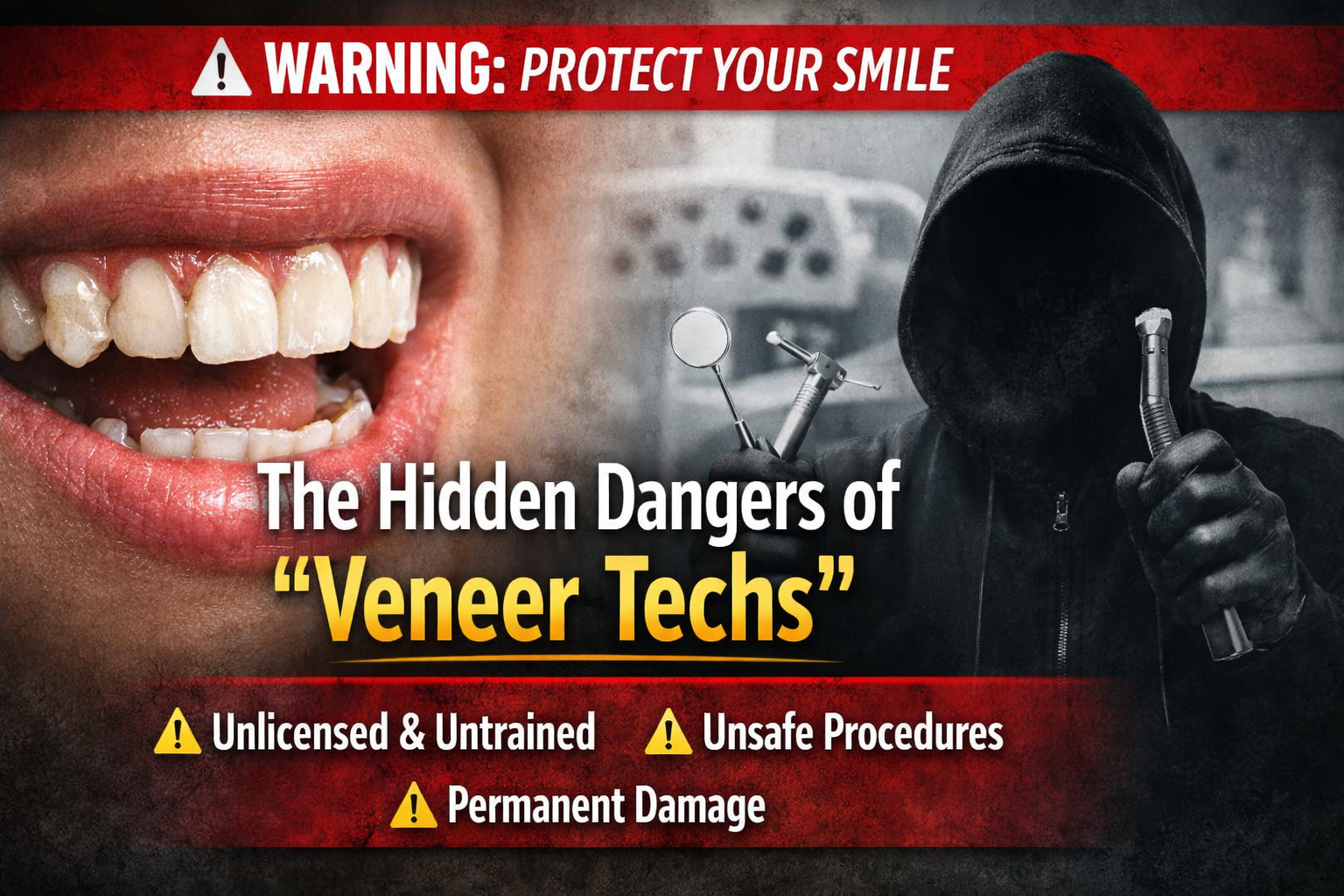
A bright, flawless smile has never been more visible — thanks to social media influencers, cosmetic trends, and viral beauty hacks. But beneath the glossy photos and low-cost promises lies a troubling new phenomenon: the rise of so-called “veneer tech.” These individuals are advertising cosmetic dental services without proper training or licensure, putting patients at serious risk. This article dives into what veneer tech really are, why dentists and health experts are warning against them, and how you can make safer choices for your smile.
What Is a “Veneer Tech”?
At first glance, “veneer tech” might sound like a legitimate dental professional. Many people believe it’s simply a modern title for someone who applies dental veneer products. However, that’s not true. There is no official medical or dental qualification called a “veneer tech.”
What’s really happening is this:
- Individuals take short online or weekend courses claiming to teach veneer application.
- They receive a certificate that sounds official but has no legal standing as a dental license.
- These veneer tech then market themselves — often on Instagram, TikTok, or other social platforms — offering veneer placement at a fraction of the cost of professional dental care.
This trend is fueled by social media hype and the desire for an inexpensive “Hollywood smile,” but it glosses over the serious health risks involved.
Why Dentists Warn Against Veneer Tech Procedures
Only Licensed Dentists Should Perform Dental Work
Dentistry is a regulated health care profession. To become a dentist, individuals must complete years of rigorous education, training, and supervised clinical practice. They understand tooth anatomy, how to diagnose underlying issues like decay or infection, and how to safely prepare a tooth for cosmetic treatment — knowledge that cannot be acquired in a two-day course.
The American Dental Association (ADA) has issued clear public warnings advising patients to avoid dental treatment from unlicensed individuals. They emphasize that any procedure altering the structure of teeth, gums, or jaws should only be done by licensed dental professionals.
The Real Risks of Going to a Veneer Tech
1. Irreversible Tooth Damage
One of the biggest dangers of getting veneers from an unqualified person is excessive enamel removal. Veneer placement usually requires shaving down a small layer of enamel so the veneer can bond properly. But improperly trained techs may remove too much enamel, weakening the tooth permanently. Teeth cannot regenerate enamel once it’s gone, which can lead to chronic pain, sensitivity, cavities, and even tooth loss.
2. Serious Infection and Decay
Licensed dentists perform thorough oral exams before cosmetic procedures to ensure there are no signs of decay, gum disease, or abscesses. Veneer tech, however, often skip this step or lack the training to diagnose underlying conditions. When veneers are placed over unhealthy teeth, bacteria can become trapped, leading to infections that may spread deeper into the body.
3. Improper Materials and Unsafe Techniques
Without access to professional dental supply networks (which require a dentist’s credentials), many veneer tech use non-medical grade materials sourced from places like Amazon or nail supply stores. These products aren’t designed for oral use and can cause allergic reactions, material breakdown, or toxic exposure.
4. Poor Fit and Misaligned Bite
A well-fitted veneer not only looks good but also functions properly with your bite. Poorly fitted veneers can alter how your teeth meet, causing jaw pain, TMJ issues, uneven wear, and chronic discomfort — problems that may require extensive corrective treatment.
5. Higher Long-Term Costs
While veneer tech advertise low prices, the cost of fixing complications often far exceeds the price of proper dental care. Patients may require root canals, extractions, or full restorations — all of which can run into thousands of dollars.
Distinguishing Between Safe Dental Veneers and Dangerous DIY Versions
Understanding what real dental veneers are helps highlight why they must be administered by professionals:
- Dental veneers are wafer-thin shells made of porcelain or composite materials customized to fit your teeth.
- They are designed after dental impressions or digital scans, and color-matched by trained technicians.
- A licensed dentist supervises the entire process, from preparation to final fitting.
In contrast, veneer tech often:
- Use generic kits not tailored to an individual’s mouth.
- Skip diagnostic xrays and scentific assessment of oral health.
- Apply materials without sterilized environments or professional tools.
Real Stories: What Happens When Procedures Go Wrong
Across social platforms and news reports, there are multiple tales of patients who trusted unlicensed techs and paid the price:
- Some experienced veneers falling off within days.
- Others suffered gum infections, jaw pain, or nerve damage requiring hospitalization.
- In extreme cases, patients described spending far more fixing botched work than they would have spent on proper dental care.
These real-world examples underscore the risks of prioritizing price over professional standards.
How to Protect Your Smile: Tips Before Getting Veneers
Choosing dental veneers is a big decision — one that should be made with your health in mind. Here are safe steps you can take:
- Verify Professional Credentials: Make sure the provider is a licensed dentist in your region.
- Get a Full Dental Exam: X-rays and oral health assessment should precede any cosmetic treatment.
- Ask About Materials: Ensure high-quality, medical-grade materials are used.
- Discuss Alternatives: Treatments like whitening or composite bonding might be safer and sufficient.
- Understand Costs and Lifespan: Professional veneers can last 10–15 years, but require proper care.
Dentists want patients to have great smiles – just not at the expense of long-term health.
Common Misconceptions About Veneer Tech
It’s easy to fall for social media marketing or “mentor certification” badges, but here are key truths:
- A certificate does not make you a dentist. Training courses for veneer tech often take only a couple of days — far too short to teach safe dental care.
- Cheaper is not safer. Lower prices often conceal lower standards and higher long-term costs.
- Cosmetic dentistry is not basic DIY. Procedures that alter tooth structure require professional expertise to prevent harm.
Conclusion: Your Smile Deserves Professional Care
In the age of viral trends and online beauty hacks, it’s tempting to chase quick fixes and low costs. But when it comes to your dental health, shortcuts can have lifelong consequences. Veneers — when done correctly by a licensed dentist — can be a safe and effective way to enhance your smile. But trusting an unlicensed veneer tech not only puts your oral health at risk: it can lead to pain, costly corrective procedures, and permanent damage that no amount of filters can hide.
Protect your smile. Choose qualified professionals. Because your health — and your confidence — is worth more than a cheap trend.
FAQs
What exactly is a veneer tech?
A veneer tech is an unlicensed individual who promotes veneer placement after short, informal training. This title has no legal or professional standing in dentistry.
Are veneers safe when done by a dentist?
Yes — when placed by a licensed dentist using proper exams, materials, and protocols, veneers are considered a safe cosmetic option.
Can veneers damage natural teeth?
Veneers involve removing some enamel, making the process irreversible. But dentists carefully control this to preserve tooth health.
What should I ask my dentist before getting veneers?
Ask about exam procedures, material quality, long-term maintenance, and possible alternatives.
Is it illegal for veneer tech to work on teeth?
Yes — performing dental procedures without a license is illegal in most regions, and health authorities strongly advise against it.