Introduction
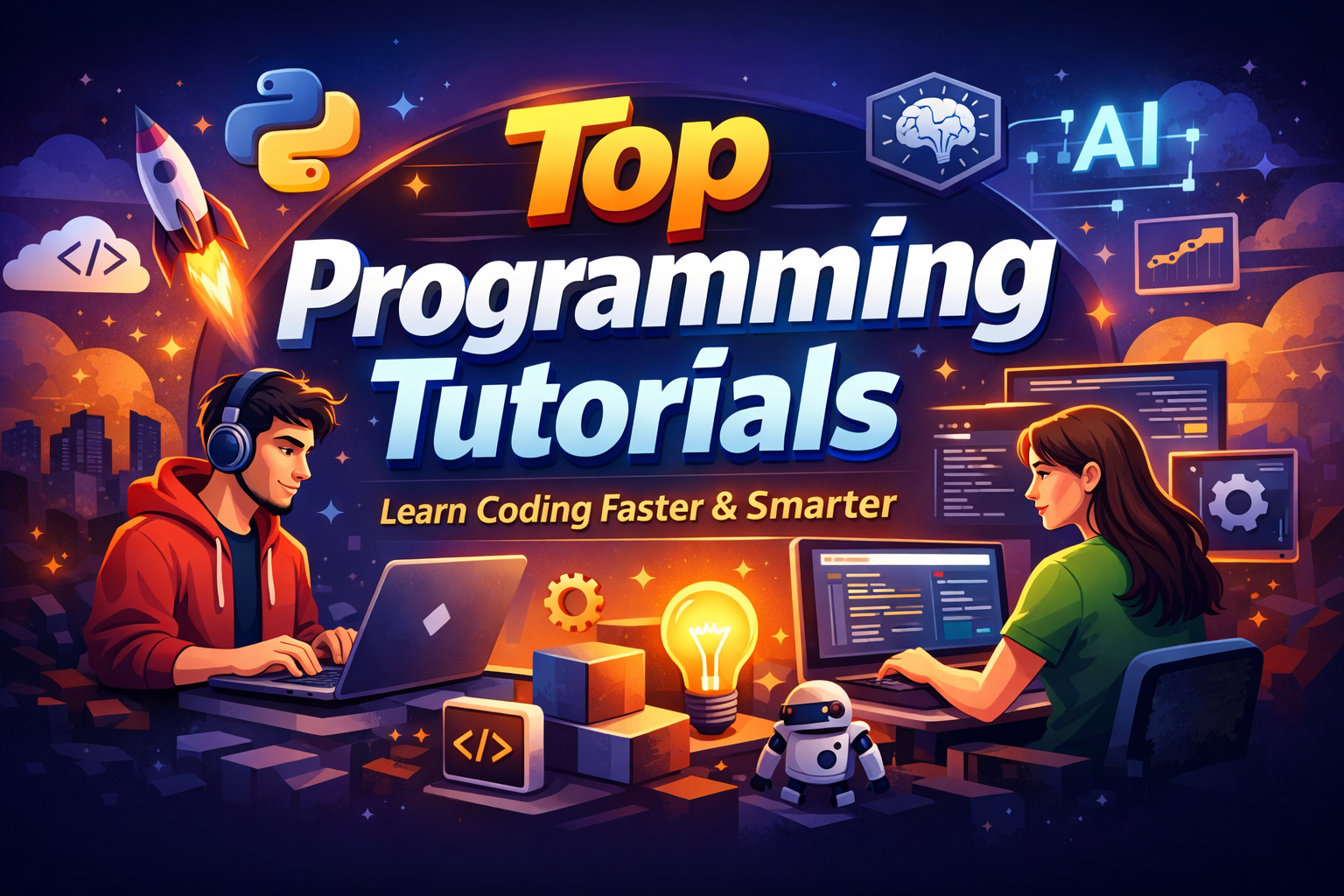
Learning how to code is no longer just for software engineers. From entrepreneurs and students to marketers and analysts, programming skills open doors across industries. But with thousands of tutorials online, choosing the right ones can feel overwhelming. Some courses are too theoretical, others outdated, and many fail to explain why things work.
This guide breaks down the top programming tutorials that genuinely help beginners and intermediate learners build skills, confidence, and real-world experience. Whether you want to create websites, mobile apps, automate tasks, or move into a tech career, this article will help you make smarter learning choices.
Why Choosing the Right Programming Tutorials Matters
Not all tutorials are created equal. A well-structured tutorial saves time, reduces frustration, and keeps you motivated. Poor tutorials often lead to confusion, burnout, and abandoned learning goals.
High-quality programming tutorials usually share a few traits:
- Clear explanations using simple language
- Practical examples based on real-life problems
- Updated content that reflects current tools and standards
- A balance between theory and hands-on coding
For example, many beginners quit Python because tutorials jump too quickly into complex concepts without context. The right tutorial introduces ideas gradually and reinforces them with practice.
Top Programming Tutorials by Learning Goal
Different goals require different learning paths. Below are the most effective types of programming tutorials based on what learners usually want to achieve.
Best Programming Tutorials for Absolute Beginners
If you are completely new to coding, tutorials should focus on logic, problem-solving, and core concepts rather than memorization.
Beginner-friendly tutorials often start with:
- Understanding how code works
- Writing simple programs step by step
- Explaining errors and debugging basics
For example, beginner Python tutorials often use everyday scenarios like calculating expenses or organizing lists. This makes abstract concepts easier to understand and remember.
A good beginner tutorial avoids heavy jargon and explains terms like variables, loops, and functions in plain language. These fundamentals form the backbone of every programming language.
Top Programming Tutorials for Web Development
Web development remains one of the most popular coding paths. The best tutorials here focus on building actual websites rather than isolated code snippets.
Front-End Web Development Tutorials
Front-end tutorials usually cover HTML, CSS, and JavaScript. High-quality tutorials show how these technologies work together to create responsive, interactive websites.
Effective front-end tutorials include:
- Building layouts from scratch
- Creating responsive designs for mobile and desktop
- Adding interactivity with JavaScript
Real-life examples often include personal portfolios, landing pages, or small business websites. These projects mirror what developers actually build at work.
Back-End Web Development Tutorials
Back-end tutorials focus on server-side logic, databases, and APIs. The best ones teach concepts like authentication, data storage, and security using real applications.
Strong tutorials guide learners through building things like login systems or simple e-commerce features, helping them understand how modern websites function behind the scenes.
Best Programming Tutorials for Python Learners
Python remains one of the most in-demand programming languages due to its simplicity and versatility. The top Python tutorials focus on clarity and practical use.
Quality Python tutorials often cover:
- Writing clean, readable code
- Automating everyday tasks
- Working with data and files
For example, many learners use Python tutorials to automate spreadsheets, process data, or create simple web apps. These real-world use cases make learning more rewarding and immediately useful.
Top Programming Tutorials for Data Science and AI
Data science tutorials require a slightly different approach. They must combine programming with statistics, data analysis, and critical thinking.
The most effective tutorials focus on:
- Cleaning and analyzing real datasets
- Visualizing data to find patterns
- Building simple machine learning models
Instead of abstract math, strong tutorials use examples like sales data analysis or customer behavior prediction. This practical approach helps learners understand how data science is applied in real jobs.
Programming Tutorials That Focus on Projects
Project-based tutorials are among the most effective ways to learn programming. They shift the focus from watching videos to actively building.
Project-driven tutorials usually involve:
- Step-by-step guidance to build a complete application
- Debugging common mistakes
- Improving and extending the project
For example, building a to-do app, calculator, or small game teaches far more than isolated lessons. These tutorials mirror real development workflows and improve problem-solving skills.
Free vs Paid Programming Tutorials: What’s Better?
Both free and paid tutorials can be valuable, but they serve different needs.
Free tutorials are excellent for exploration. They help beginners understand whether programming is right for them. However, they may lack structure or depth.
Paid tutorials often provide:
- Structured learning paths
- Regular updates
- Community support and mentorship
Learners who invest in paid tutorials often progress faster because the content is organized and goal-oriented. That said, many successful developers started with free tutorials and upgraded later.
How to Evaluate Programming Tutorials Before You Start
Before committing time to any tutorial, it helps to evaluate its quality. A few minutes of research can save weeks of frustration.
Consider these factors:
- Content freshness: Programming tools change fast. Updated tutorials matter.
- Teaching style: Clear explanations beat flashy visuals.
- Practice opportunities: Coding requires doing, not just watching.
A strong tutorial encourages learners to experiment, break code, and fix it. This active learning builds confidence and long-term understanding.
Real-Life Impact of High-Quality Programming Tutorials
Many self-taught developers credit well-designed tutorials for their success. For example, career switchers often use structured tutorials to move from non-technical jobs into junior developer roles within a year.
According to industry surveys, developers who build projects while learning are more likely to pass technical interviews. Tutorials that focus on problem-solving and real applications prepare learners for real-world challenges, not just exams.
Common Mistakes Learners Make with Programming Tutorials
Even the best tutorials won’t help if used incorrectly. One common mistake is passive learning watching videos without coding along.
Other frequent mistakes include:
- Jumping between too many tutorials
- Skipping fundamentals
- Avoiding difficult topics instead of practicing them
Successful learners usually stick to one main tutorial, practice consistently, and revisit confusing concepts until they click.
Conclusion: Choose Tutorials That Help You Build, Not Just Watch
The top programming tutorials do more than teach syntax. They help you think like a programmer, solve problems, and build real projects. Whether you are a beginner or looking to sharpen your skills, choosing the right tutorials can dramatically speed up your progress.
Start with tutorials that match your goals, focus on hands-on practice, and stay consistent. Coding is a skill built over time, and the right learning resources make the journey smoother and more enjoyable.
Call to Action: Pick one well-structured programming tutorial today, commit to daily practice, and start building something real. Your future skills depend on the steps you take now.
Frequently Asked Questions (FAQs)
What are the best programming tutorials for beginners?
The best tutorials for beginners focus on clear explanations, simple examples, and hands-on practice. Tutorials that introduce concepts gradually and use real-life examples are most effective.
Are free programming tutorials enough to get a job?
Free tutorials can teach strong fundamentals, but combining them with project-based learning and consistent practice is key. Many learners later use advanced or structured resources to refine their skills.
How long does it take to learn programming from tutorials?
With consistent practice, beginners can grasp basics within a few months. Building job-ready skills usually takes six to twelve months, depending on effort and learning goals.
Should I focus on one programming language or many?
It’s best to start with one language and master the fundamentals. Once you understand core concepts, learning additional languages becomes much easier.
Do programming tutorials really help with real-world skills?
Yes, especially tutorials that focus on projects and problem-solving. These closely match real development tasks and help learners build practical, transferable skills.